Crafting the Perfect Voiceover Demo: Strategies for Success

Updated: Dec 2, 2025
Why Voiceover Demo Strategies Matter
You might be thinking, “Isn’t a demo just a few clips of me talking?” Well, yes and no. A voiceover demo is your calling card, your first impression, and your best shot at landing gigs. It’s not just about sounding good; it’s about showing potential clients that you understand their needs and can deliver exactly what they want.
Think of it like this: if you were hiring a voice for your new car commercial or a real estate promo, would you want to hear a demo that’s all over the place? Or one that’s focused, professional, and tailored to your industry? Exactly. That’s why having a clear strategy when creating your demo is a game-changer.
Key Voiceover Demo Strategies to Nail Your Demo
Let’s break down some practical tips and tricks that will help you craft a demo that gets noticed:
1. Know Your Audience and Industry
Before you even hit the record button, ask yourself: who am I talking to? If you want to work with automotive companies, real estate firms, or hospitality businesses, tailor your demo to those sectors. Use scripts that reflect the tone and style these industries prefer.
For example, automotive voiceovers often need a confident, energetic tone that conveys excitement and trust. Real estate might call for a warm, inviting voice that makes listeners feel at home. Hospitality? Think friendly, approachable, and polished.
2. Keep It Short and Sweet
Here’s a little secret: less is more. Your demo should be around 60 to 90 seconds. That’s enough time to showcase your range without losing the listener’s attention. Pick your best clips and arrange them in a way that flows naturally.
3. Show Your Range, But Stay Relevant
You want to demonstrate versatility, but don’t go overboard. If your goal is to attract business clients, don’t include cartoonish voices or overly dramatic reads. Instead, focus on different styles within the professional realm—like authoritative, conversational, and friendly tones.
4. Use High-Quality Audio
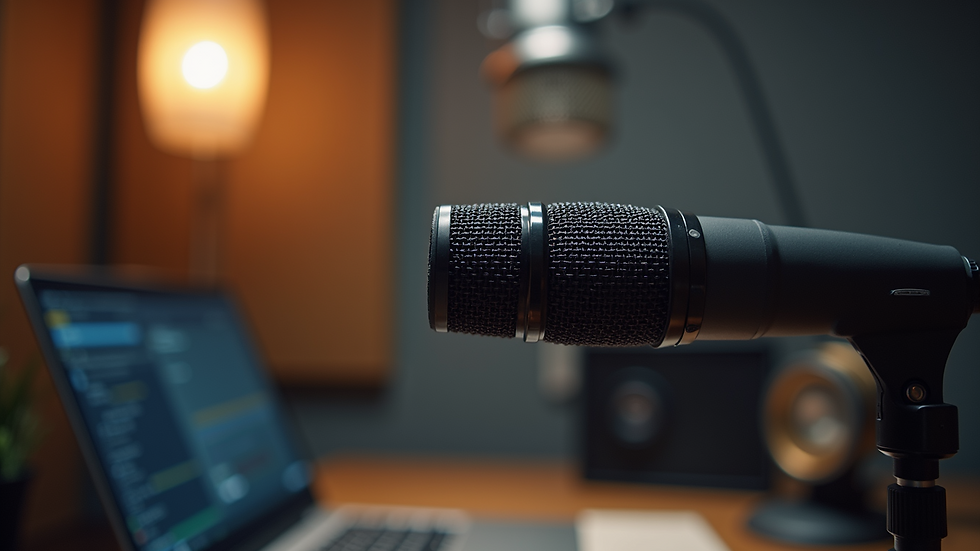
Nothing kills a demo faster than poor sound quality. Invest in a good microphone, record in a quiet space, and edit your audio to remove any background noise or awkward pauses. Crisp, clear sound shows professionalism and respect for your craft.
5. Include a Call to Action
End your demo with a quick, friendly invitation for clients to get in touch. Something like, “If you’re looking for a voice that brings your brand to life, let’s chat!” It’s a subtle way to encourage next steps without sounding pushy.
Crafting Your Demo: Step-by-Step Guide
Alright, now that you know the strategies, let’s get into the nitty-gritty of putting it all together.
Step 1: Script Selection
Choose scripts that highlight your strengths and fit your target industries. You can find sample scripts online or write your own. Make sure they’re clear, concise, and engaging.
Step 2: Warm Up and Practice
Before recording, warm up your voice. Do some tongue twisters, hum a bit, or read aloud to get comfortable. Practice your scripts until you can deliver them naturally and confidently.
Step 3: Record Multiple Takes
Don’t settle for the first take. Record several versions of each script, experimenting with tone, pace, and emotion. This gives you options to choose from when editing.
Step 4: Edit and Arrange
Use audio editing software to cut out mistakes, smooth transitions, and balance volume levels. Arrange your clips in a logical order—start strong, show variety, and finish with a memorable piece.
Step 5: Get Feedback
Before finalizing, ask trusted friends or colleagues for feedback. Fresh ears can catch things you might miss and help you polish your demo even more.
Why a Professional Business Voiceover Demo Makes a Difference
If you’re serious about landing gigs in competitive fields like automotive, real estate, or hospitality, a professional demo is your secret weapon. It tells clients you’re not just another voice—you’re the voice that understands their brand and can elevate their message.
That’s why I always recommend booking a business voiceover demo with a pro who knows the ins and outs of these industries. It’s an investment that pays off by opening doors to exciting opportunities.

Bringing It All Together: Your Voice, Your Brand
At the end of the day, your voiceover demo is more than just a recording. It’s a reflection of your personality, your professionalism, and your passion for the craft. By using these voiceover demo strategies, you’re setting yourself up for success and making it easier for businesses to say, “That’s the voice we want.”
So, grab your mic, pick your scripts, and start crafting a demo that’s as unique as you are. And remember, the right demo can turn a simple audition into a long-term partnership. Now, go make some noise!
Final Thoughts on Voiceover Demos
Creating a standout voiceover demo isn’t just about showcasing your voice. It’s about telling a story. Your demo should weave together your unique sound with the needs of your target audience. This is your chance to shine!
Embrace Your Unique Style
Don’t be afraid to let your personality shine through. Clients want to hear the real you. Your unique style is what sets you apart from the competition. So, embrace it!
Stay Updated with Industry Trends
The voiceover industry is always evolving. Stay informed about the latest trends and styles. This will help you keep your demo fresh and relevant.
Network and Collaborate
Connect with other voiceover artists and professionals in the industry. Collaborating can lead to new opportunities and insights that can enhance your demo.
Keep Practicing
Finally, never stop practicing. The more you work on your craft, the better you’ll become. Consistent practice will help you refine your skills and keep your demo top-notch.
So, there you have it! With these strategies and tips, you’re well on your way to creating a voiceover demo that truly stands out. Happy recording!


Comments